Winter Allergies and Cedar Fever in Austin: What You Need to Know This Season
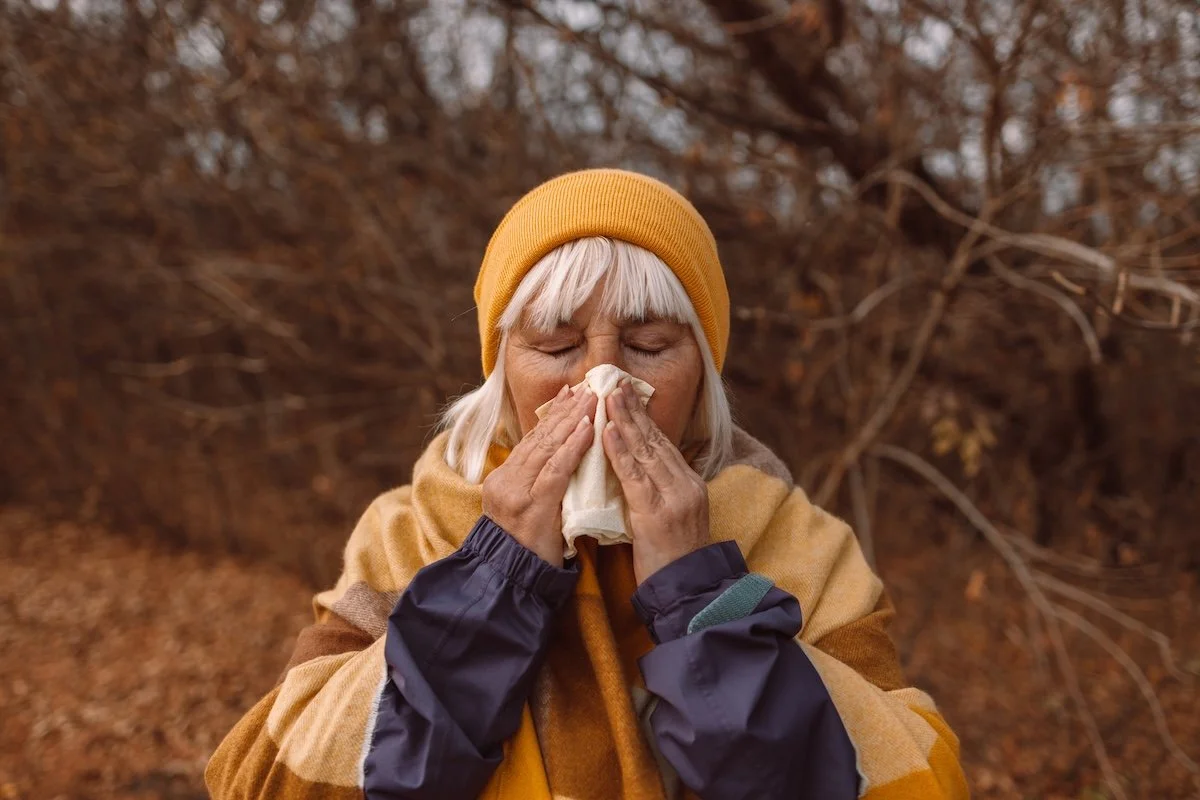
Feeling Miserable Every Winter? It May Be Cedar Fever
Winter allergies in Austin are often caused by mountain cedar pollen. Learn how to recognize cedar fever, reduce exposure, and get relief during peak season.
Last updated November 2025
Winter in most parts of the country brings some relief from seasonal allergies. Central Texas is different. For Austin residents, winter is often the most challenging time of year for congestion, fatigue, headaches, and brain fog. The culprit is a familiar one: mountain cedar pollen. Cedar fever is more than an inconvenience. For many, it can significantly interfere with daily life, productivity, sleep, and overall well-being.
At Elevated Health, Dr. Sonia Durairaj, MD, MSCP, works closely with patients who experience persistent or severe winter allergy symptoms. With personalized testing, targeted treatment options, and concierge-level primary care, patients can move through the winter season with clarity and confidence.
This guide explains why winter allergies peak in Central Texas, how to understand your symptoms, and what you can do to protect yourself during the height of cedar pollen season.
Why Winter Allergies Are So Intense in Central Texas
Central Texas is home to large populations of Ashe juniper trees, commonly known as mountain cedar. Each winter, typically from December through February, these trees release significant amounts of pollen into the air. Austin’s climate patterns contribute to the problem. Early cold fronts, dry conditions, and strong winds all work together to spread pollen widely across the region.
While many people expect flowers or grasses to cause their allergies, cedar pollen is far more aggressive. Its particles are small enough to be easily inhaled and potent enough to create strong immune reactions even in people who usually do not struggle with allergies.
Another reason symptoms may feel more intense is the timing. Winter illnesses such as colds, flu, and viral infections circulate during the same months. This overlap can make it difficult to determine whether symptoms are caused by an infection or by cedar fever. Understanding the difference allows patients to get the right support sooner.
What Cedar Fever Really Feels Like
Despite the name, cedar fever usually does not cause an actual fever. The term comes from the overwhelming runny nose, congestion, and general sense of feeling unwell that can mimic an infection. Many patients report that cedar fever makes them feel foggy, tired, and unable to think clearly. For some, the impact lasts for weeks.
Common symptoms include:
• Stuffy or runny nose
• Frequent sneezing
• Sinus pressure or pain
• Itchy or watery eyes
• Fatigue
• Headache
• Brain fog or difficulty concentrating
• Sore throat from post-nasal drip
• Mild cough
For individuals with asthma or respiratory conditions, cedar pollen can also worsen shortness of breath or chest tightness.
Because symptoms can resemble those of viral illnesses, many people try over-the-counter treatments that do not address the root cause. A professional evaluation can help clarify the source and provide a personalized treatment plan.
How to Tell Cedar Fever from a Winter Illness
It is understandable to question whether symptoms are allergies or an infection. There are a few key differences that can help.
Allergies typically cause clear drainage, itchiness, and symptoms that fluctuate with time outdoors. Viral illnesses often come with body aches, a sore throat that worsens over time, and fatigue that does not lift with antihistamines or allergy medication.
One of the clearest indicators is duration. Cedar fever can persist for weeks as pollen levels rise and fall. Viral infections tend to resolve within 7 to 10 days. If symptoms last longer or worsen despite rest, it is important to seek medical care.
Dr. Durairaj provides diagnostic guidance to help patients avoid unnecessary antibiotics or prolonged discomfort. Through personalized care, patients gain a clear picture of what is happening in their body and which steps will bring relief.
Practical Ways to Reduce Exposure This Winter
While it is impossible to avoid cedar pollen entirely in Austin, small habits can make daily life more manageable.
Monitor pollen levels
Cedar counts peak during dry, windy mornings. Planning outdoor activities later in the day or on humid days can reduce exposure.
Use indoor air strategies
Keep windows closed, use a high-quality air filter, and consider a purifier in your bedroom. These steps help reduce the amount of pollen circulating inside the home.
Shower after being outdoors
Pollen collects on clothing, skin, and hair. A quick shower can limit symptoms that linger into the evening.
Wear a mask outdoors on high-count days
Masks provide a physical barrier that reduces the amount of pollen you inhale.
Rinse nasal passages
Saline rinses help wash away pollen and reduce inflammation in the nasal passages.
Hydrate well
Adequate hydration keeps mucus membranes functioning optimally and can ease congestion.
These steps support overall comfort, but individualized care often brings the most meaningful relief.
How Concierge Primary Care Supports Winter Allergy Relief
Many patients navigate cedar fever year after year without lasting improvement. What is often missing is personalized care that looks beyond temporary symptom management.
Elevated Health provides a tailored approach to winter allergies. Dr. Durairaj spends extended time with each patient and uses advanced testing to identify the exact triggers contributing to symptoms. This may include allergy testing, evaluation of chronic sinus issues, consideration of hormone factors, or identification of overlapping conditions that worsen congestion or fatigue.
With concierge primary care, patients have direct access to guidance throughout the season. Treatment plans may include medication adjustments, prescription nasal therapies, antihistamine strategies, immune support, and management of related conditions such as asthma. The goal is not only to reduce symptoms but to improve daily quality of life.
Moving Through the Season with More Ease
Cedar fever does not have to define winter in Austin. With the right support, patients can reduce symptoms, regain energy, and feel more like themselves throughout the season. If congestion, fatigue, or brain fog are interfering with your daily life, now is the time to seek care rather than waiting for symptoms to worsen.
Elevated Health offers compassionate, comprehensive support for winter allergies and cedar fever in Austin. To schedule a personalized evaluation, visit www.sdmdelevatedhealth.com or call the office at 512-759-6033